An Editorial Look at Women's Wellness Habits
Inside the Kitchen Tradition of Baking Soda and Gelatin and What It Means for Women's Changing Bodies
Long before wellness aisles existed, baking soda and gelatin sat quietly in kitchen cabinets as staples of everyday cooking — this guide unpacks their history, their composition, and why some women are revisiting them as part of a broader routine.
The Body Changes Women Often Overlook
Clinical literature has long noted that female physiology shifts gradually across adulthood — collagen synthesis slows, hunger signaling changes, and lean tissue composition evolves. Yet mainstream diet culture rarely updates its playbook to reflect any of it, leaving many women working against frameworks built for a different body than the one they currently have.
A Rulebook Built for a Different Body
Most conventional diet advice was standardized decades ago around assumptions that rarely account for hormonal shifts, age-related composition changes, or the different ways female metabolism responds to calorie restriction.
Collagen's Quiet Decline
Collagen is the structural protein behind skin elasticity and joint cushioning, and its natural production tends to taper gradually — a shift that often goes unnoticed until skin, joints, or connective tissue start to feel different.
Lean Mass in Flux
The ratio of lean tissue to fat mass tends to shift gradually across adulthood, a composition change that has more to do with biology than with willpower or effort at the table.
Appetite Signals That Shift With Time
Hunger and fullness cues are regulated by a web of hormones that can change their rhythm over time, which is one reason satiety can feel less predictable than it once did.
Metabolism Myths That Won't Retire
Few topics attract more confident misinformation than female metabolism. Separating the folklore from the physiology matters — especially before adopting any new kitchen habit.
Metabolism only slows down after menopause.
Metabolic rate can shift gradually across adulthood due to a mix of hormonal, muscular, and lifestyle factors — menopause is one contributor among several, not the sole trigger.
Eating less always speeds up results.
Chronic under-eating can affect hormone balance and lean mass over time, which is why sustainable habits are generally discussed alongside nutrition, not as a replacement for it.
Every woman’s body responds to food the same way.
Individual factors — genetics, activity, sleep, and stress — all influence how a body processes nutrients, which is why no single approach fits everyone identically.
A Simple Kitchen-Rooted Habit
The appeal of baking soda and gelatin isn’t novelty — it’s simplicity. Here’s how the habit is typically framed by those who write about it.
Step One — Understand the Ingredients
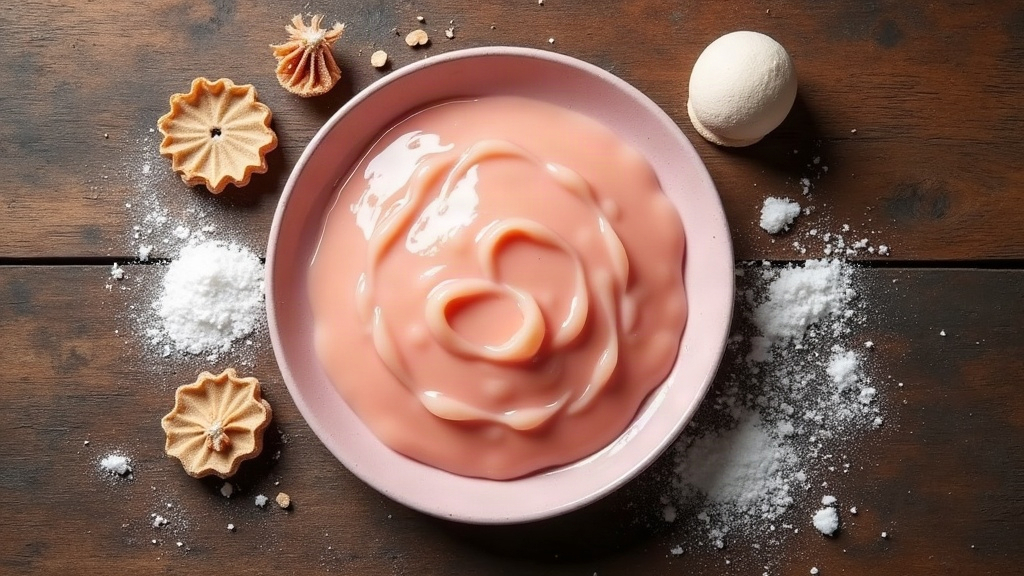
Baking soda is a mild alkaline compound long used in baking and household routines, while gelatin is a protein derived from collagen — both are pantry staples with decades of culinary history behind them.
Step Two — Learn the Preparation
Traditional preparations typically involve dissolving small, measured amounts in warm water, a method passed down through home cooking rather than originating in a lab.
Step Three — Treat It as a Habit, Not a Fix
Those who incorporate it generally frame it as one small addition within a broader routine that includes regular meals, hydration, and rest — not as a stand-alone solution.
A Tradition Older Than the Wellness Aisle
Gelatin’s culinary use traces back generations, appearing in broths, jellies, and slow-cooked dishes long before it was ever marketed as a supplement. Baking soda followed a similar path — a humble leavening agent that found its way into home remedies passed between mothers and daughters. Neither ingredient was invented for wellness; wellness found them.
Insight: the modern interest in these two pantry staples says less about a new discovery and more about a return to ingredients that never actually left the kitchen.
Signals Worth Paying Attention To
Unpredictable Hunger
Feeling hungry shortly after eating, or not hungry when you'd expect to be, can reflect shifting appetite hormones rather than a lack of discipline.
Changes in Skin Texture
Skin that feels less elastic or more prone to fine lines can be tied to the gradual decline in collagen production discussed earlier in this guide.
Joint Stiffness
Morning stiffness or joint discomfort after activity is often connected to the same connective tissue changes that affect skin.
Shifts in Weight Distribution
Where the body stores weight can change over time, even without changes in overall diet or activity level.
Energy That Dips Unevenly
Energy that fluctuates throughout the day, rather than following a predictable pattern, is a common and often overlooked signal.
Brittle or Slow-Growing Nails
Nails that break easily or grow more slowly can sometimes reflect the same protein-related shifts that affect skin and joints.
What Women Are Saying

Testimonials reflect individual experiences shared voluntarily. Individual results may vary, and these accounts are not intended to represent typical outcomes or guarantee any specific result.
Frequently Asked Questions
Hydrolyzed gelatin is gelatin that has been broken down into smaller protein fragments, making it easier to dissolve in liquid. It’s derived from collagen and has a long history of use in food preparation.
No. Educational content like this is meant to complement, not replace, a varied diet, regular activity, and guidance from a healthcare professional.
Collagen is a structural protein connected to skin, joints, and connective tissue, all of which can shift gradually across adulthood — which is why it comes up frequently in wellness conversations.
Baking soda has a long history of culinary and household use, but amounts, frequency, and individual health conditions all matter. A healthcare professional can advise on what’s appropriate for your situation.
No. This content is educational and does not diagnose, treat, cure, or prevent any condition. It is not a substitute for professional medical advice.
This content is written for women generally interested in learning about traditional kitchen habits and how they relate to age-related body changes.
We recommend speaking with a healthcare professional before making changes to your diet or routine, especially if you have existing health conditions.
Curious to See How It's Explained?
The full video walks through the history, the preparation, and the reasoning behind this kitchen habit in more detail.
Advertising Disclosure: This page contains sponsored content and affiliate links. We may receive compensation if you click a link or make a purchase through the links provided on this page. This does not affect the price you pay and helps support the educational content we create.
Content Disclaimer: The information provided on this page is for educational purposes only and has not been evaluated by the Food and Drug Administration. It is not intended to diagnose, treat, cure, or prevent any disease or health condition. Always consult a qualified healthcare professional before making changes to your diet, routine, or supplement use.
Results Disclaimer: Individual results may vary. Testimonials and experiences shared on this page reflect personal accounts and are not a guarantee of similar outcomes for every individual.
© 2026 · All Rights Reserved · Questions? Visit our /contact/ page.